
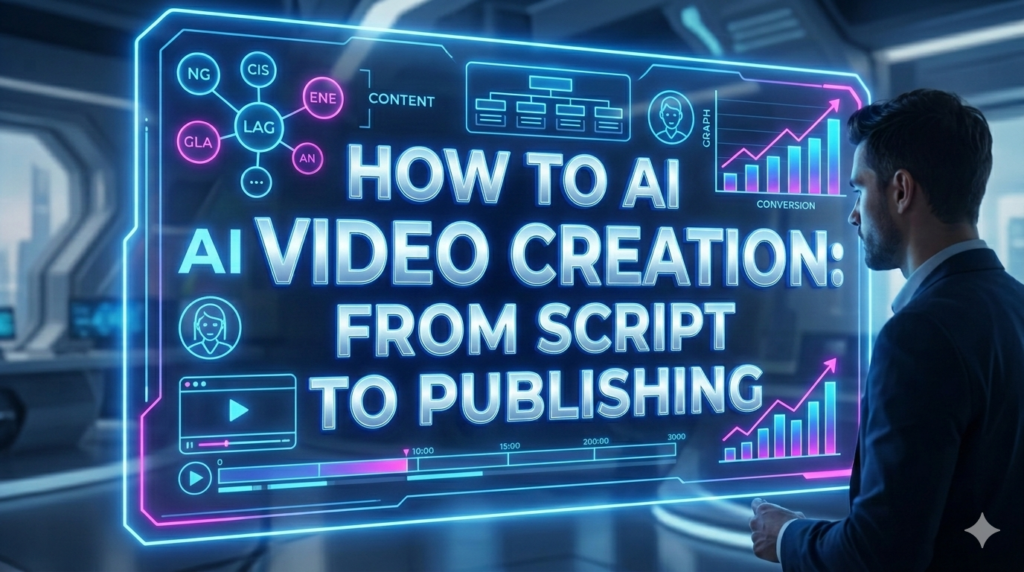
Figure 1: Mastering how to AI video creation from script to publishing requires blending human strategy with AI efficiency.
Meta Description: Master how to AI video creation from script to publishing in minutes. Learn the best tools, workflows, and SEO tips to scale your digital content today.
Do you spend days editing a single three-minute video? Statistics show that video content will drive 82% of all internet traffic by the end of 2026. Many creators feel overwhelmed by the technical demands of high-quality production. However, you can now produce professional results using artificial intelligence. This guide teaches you how to AI video creation from initial script to final publishing in just minutes.
You will discover the most efficient workflows for modern content production. We will cover automated scripting, visual generation, and voiceover synchronization. We also explore the best platforms to host and share your digital creations. By mastering these steps, you save hours of manual labor every week. You can focus more on strategy and less on technical friction. Let’s start building your automated video studio right now.
The Foundation of Automated Scripting
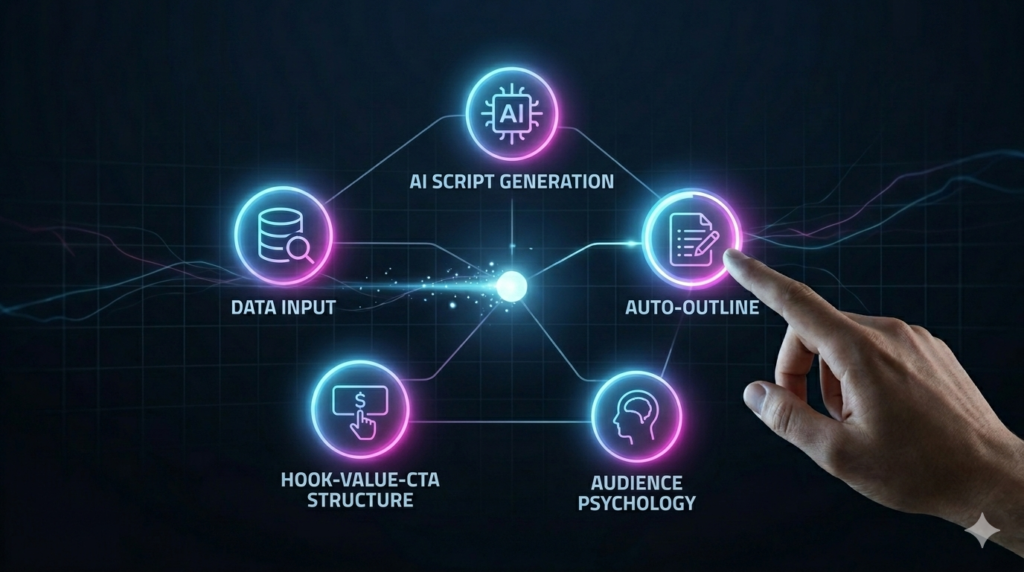
Figure 2: Visualizing the input and processing loops required for effective, automated video scripting.
Strategic scripting serves as the backbone of every high-performing video project. You cannot achieve success without a clear message and a strong structure. Use AI language models to generate outlines that hook your viewers immediately. These tools understand audience psychology better than most beginner writers. They provide a logical flow that keeps people watching until the end.
Focus your script on a specific problem your audience faces daily. Tell the AI your target demographic and the primary goal of the video. Ask for a “hook-value-CTA” structure for social media platforms. This ensures your message stays concise and impactful. Avoid generic intros that make viewers scroll past your content.
Using Personas for Script Writing
Assign a specific persona to your AI writer for better results. Ask it to act as an expert filmmaker or a viral storyteller. This technique changes the tone and vocabulary of your script. It makes your content feel more authentic and professional to your viewers.
Real-World Example: Rapid Educational Videos
A math teacher needs to explain complex geometry in sixty seconds. He uses an AI tool to simplify the jargon into plain English. The AI generates a script that uses a relatable pizza metaphor. His students understand the concept faster than they did using traditional textbooks.
Transforming Scripts into Visual Assets

Figure 3: Mapping the automated transition from text script to synchronized visual assets and avatars.
Visual storytelling is much easier when you use AI-driven production platforms. You no longer need expensive cameras or professional lighting setups. Modern tools can generate high-fidelity scenes from simple text descriptions. These platforms use vast databases of stock footage and generated art. They match the visual mood of your script automatically.
You can create realistic avatars that speak your lines with perfect accuracy. This is a game-changer for creators who prefer to stay behind the camera. Simply upload your script and choose a digital spokesperson. The AI syncs the lip movements with the audio in seconds. This allows you to produce “face-to-camera” content at scale.
Selecting the Right Visual Style
Your visual style must align with your brand’s unique identity. Choose between 3D animations, realistic stock footage, or abstract artistic renders. AI platforms allow you to test multiple styles for the same script. This flexibility helps you find what resonates most with your niche.
Use Case: Real Estate Virtual Tours
A real estate agent wants to showcase a property that is still under construction. She uses AI to generate photorealistic interiors from her floor plans. The video helps her secure three pre-sales before the first brick is even laid. This technology bridges the gap between imagination and reality.
Master Voiceovers and Audio Design
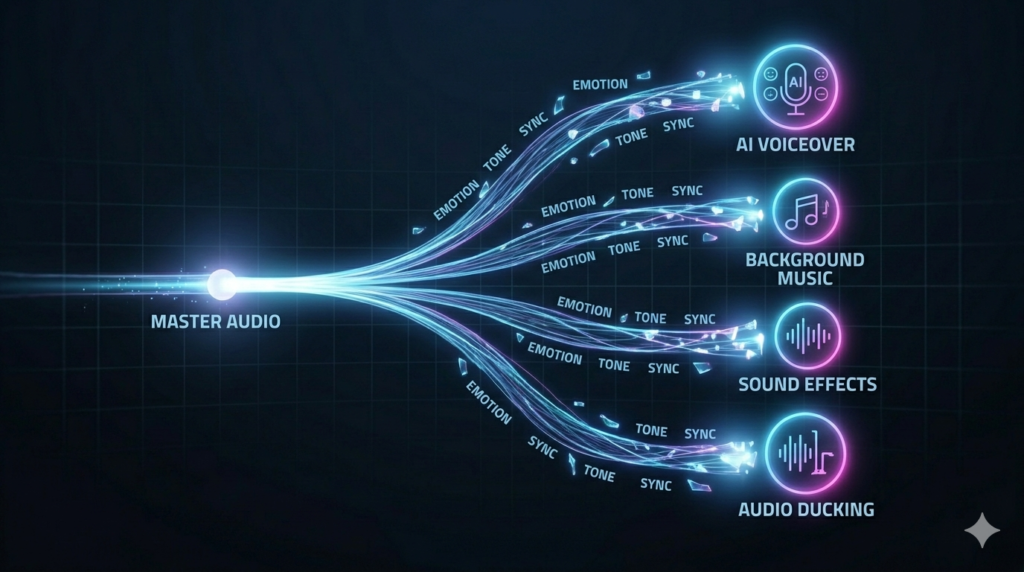
Figure 4: Orchestrating the vocal, musical, and environmental audio streams with AI precision.
Professional audio quality is more important than visual resolution for viewer retention. People will forgive a grainy image, but they will leave if the sound is poor. AI voice synthesis has reached a point where it sounds completely human. You can choose from thousands of accents, tones, and emotional ranges. This gives your brand a consistent and recognizable voice.
Adding background music and sound effects enhances the emotional impact of your video. Use AI to find royalty-free tracks that match the energy of your scenes. The software can automatically lower the music volume when the narrator speaks. This process, called “audio ducking,” usually takes hours for human editors. AI handles it instantly with professional precision.
Customizing Vocal Emotions
Modern AI voice tools allow you to add “emphasis” to specific words. You can make the voice sound excited, serious, or even whispering. This level of control helps you guide the viewer’s emotions effectively. It turns a flat narration into a compelling audio experience.
Example: High-ROI Sales Letters
A digital marketer creates a “Video Sales Letter” for his new coaching program. He uses a deep, authoritative AI voice to build trust with the audience. The high-quality audio leads to a 30% increase in his conversion rates. His customers feel a stronger connection to his professional brand.
Streamlining the Editing Process with AI
The traditional editing phase is often the biggest bottleneck in content creation. AI video editors remove this hurdle by automating the most boring tasks. They can automatically cut out silences, stumbles, and filler words like “um” or “ah.” This results in a tight, fast-paced video that holds attention. It allows you to edit a ten-minute raw file in less than sixty seconds.
Smart captioning is another essential feature of modern AI editing software. Most viewers watch videos on social media with the sound turned off. AI generates accurate subtitles and syncs them perfectly with the spoken words. You can customize the font, color, and animation to match your brand. This increases accessibility and keeps your engagement high across all platforms.
Automated B-Roll Insertion
B-roll is the supplemental footage that breaks up the monotony of a talking head. AI can analyze your script and suggest relevant B-roll clips automatically. It places them at the exact moment they are mentioned in the narration. This creates a more dynamic and professional viewing experience for your audience.
Scenario: Rapid Social Media Repurposing
A podcaster wants to turn his one-hour episode into ten viral clips. He uses an AI tool that identifies the most exciting moments automatically. The tool crops the video for mobile screens and adds captions. He publishes a week’s worth of content in just ten minutes.
SEO Optimization for Video Publishing
Creating a great video is only half the battle for digital success. You must ensure people can actually find your content in search results. Use AI to research the best keywords for your titles and descriptions. These tools analyze current trends and competitor data to give you an edge. Proper SEO ensures your video reaches the right audience at the right time.
Thumbnail design is a critical part of your video’s “Click-Through Rate” (CTR). You can use AI to generate eye-catching images that spark curiosity. Ask the AI to create variations based on high-performing templates in your niche. Test different colors and text overlays to see what attracts the most clicks. This small step can lead to thousands of extra views.
Generating Smart Metadata
AI can write your video descriptions, tags, and even timestamped chapters. Chapters help Google index your video more effectively for specific search queries. They also improve the user experience by allowing viewers to skip to the parts they care about. This boosts your ranking and keeps people on your page longer.
Real-World Example: YouTube Channel Growth
A tech reviewer struggles to get views on his detailed software tutorials. He starts using AI to optimize his titles and generate high-contrast thumbnails. Within three months, his organic search traffic grows by over 400%. His channel becomes a top resource in the AI productivity niche.
Publishing Across Multiple Platforms
Different platforms require different video formats and posting strategies. What works on YouTube might fail on TikTok or LinkedIn. Use AI to resize and reformat your master video for every social channel. This ensures your content looks professional everywhere it appears. You reach a much larger audience without doubling your workload.
Scheduling your posts for peak engagement times is the final step. AI can analyze when your followers are most active online. It suggests the best time to hit “publish” for maximum initial reach. This initial boost is vital for triggering the algorithms of social platforms. It turns a good video into a viral sensation.
Consistent Branding Across Channels
Ensure your intro, outro, and color schemes stay consistent in every version. AI tools can save your brand kit and apply it to every new project. This builds long-term recognition and trust with your growing audience. Your followers will recognize your content the moment it appears in their feed.
Case Study: Global Brand Awareness
A small startup uses AI to translate and dub their product demo into five languages. They publish these versions across local social media networks worldwide. They acquire customers from three different continents in their first month. AI makes global expansion affordable for any size business.
Overcoming Common AI Video Challenges

Figure 5: The future of video marketing involves humans directing agentic AI media empires.
While AI is powerful, it is not a “set-and-forget” solution for success. You must still provide the creative vision and the final quality check. AI can sometimes make mistakes in facts or visual consistency. Always review the final render for any weird artifacts or logical errors. Your human eye is the ultimate filter for professional quality.
Don’t let the fear of “AI-looking” content stop you from starting. The technology is improving every day, and most viewers cannot tell the difference. Focus on the value you provide rather than the tool you use. As long as your video solves a problem, your audience will appreciate it. Start small, learn the tools, and scale your production as you grow.
Maintaining the Human Connection
Add a personal touch to your AI-generated videos whenever possible. Use your own voice for special announcements or add a real video intro. This reminds your audience that there is a real person behind the brand. This hybrid approach is the most effective way to build a loyal community.
Future Outlook: Generative Video Agents
By the end of 2026, we will see AI agents that handle the entire process autonomously. You will simply give a goal, and the agent will research, script, and publish. Learning the basics today puts you ahead of the curve for this future. You will be the director of an entire AI media empire.
Conclusion: Start Your AI Video Journey Today
In summary, you now have the roadmap for how to AI video creation from start to finish. You learned how to automate scripting, visuals, audio, and editing. We also covered the importance of SEO and multi-platform distribution. These tools are no longer a luxury; they are a necessity for modern digital growth. The time you save can be invested back into your core business strategy.
Embrace the power of artificial intelligence to amplify your creative voice. Don’t worry about being perfect; focus on being consistent and helpful. The digital landscape rewards those who move fast and provide real value. Use the strategies in this guide to build a high-performance video engine. You will see your productivity and your audience reach explode.
Take action right now by selecting one tool and creating your first draft. Whether it is a short social clip or a long-form tutorial, just start. The more you practice, the more “Minutes” you will shave off your production time. For more tips on mastering these technologies, read our frequently asked questions below.
Frequently Asked Questions About How to AI Video Creation
### Q1: How can I start with AI video creation if I have no experience?
How you start depends on your goals, but the easiest way is to use “all-in-one” platforms. These tools allow you to paste a script or a link, and they generate the scenes automatically. Start with simple templates to understand how the AI matches text to visuals. You do not need any technical skills in filming or editing. Within an hour, you will have a finished video ready for publishing.
### Q2: What are the best tools for AI video creation in 2026?
What tool is “best” depends on your specific niche and budget. For realistic avatars, tools like HeyGen or Synthesia lead the market. For high-end cinematic visuals from text, Runway and Sora are top choices. If you need social media repurposing, look at OpusClip or Munch. Most creators use a combination of these tools to create a custom workflow that fits their brand.
### Q3: Is AI-generated video content monetizable on YouTube?
Yes, you can monetize AI-generated content on YouTube as long as it provides “educational or creative value.” YouTube’s policy focuses on whether the content is original and helpful to the viewer. You must avoid “low-effort” spam that just mashes together random clips. Adding your own unique perspective, expert commentary, or personal editing ensures you meet the monetization criteria. Always check the latest platform guidelines for specific disclosure rules regarding AI.
### Q4: Why should I use AI instead of hiring a professional editor?
Why you should use AI comes down to speed and cost-efficiency. A professional editor might take days and charge hundreds of dollars per video. AI can do the same task in minutes for a fraction of the price. This allows you to test more ideas and post more frequently. For many solo entrepreneurs and small businesses, AI is the only way to compete with larger media companies.
### Q5: Can I use my own voice for AI-generated videos?
Yes, you can easily “clone” your own voice using AI audio software. You simply record a few minutes of your speech, and the AI learns your unique tone and rhythm. You can then generate new narration just by typing text. This saves your voice from strain and allows you to produce hours of audio in seconds. It is a great way to maintain a personal brand while using automation.
### Q6: How do I handle copyright issues with AI stock footage?
How you handle copyright is by using reputable AI platforms that provide “royalty-free” licenses. Most paid AI tools have agreements with stock libraries to ensure your content is safe for commercial use. Always read the terms of service of the tool you are using. Avoid using AI to generate likenesses of celebrities or copyrighted characters without permission. This protects your business from legal risks and ensures long-term growth.
### Q7: Is AI video creation better than traditional filming?
Whether it is “better” depends on the type of content you want to produce. For tutorials, news, and social media clips, AI is significantly faster and more scalable. For high-end cinema or personal vlogs, traditional filming still offers a level of raw emotion that is hard to replicate. Most successful creators in 2026 use a hybrid model. They film the important “human” moments and use AI for everything else.
### Q8: What is the biggest mistake people make in AI video creation?
The biggest mistake is relying 100% on the AI without any human review or editing. Raw AI output can sometimes feel “soulless” or contain small errors that distract the viewer. Another mistake is using generic, overused prompts that result in boring content. Your goal is to use AI to speed up your work, not to replace your creative judgment. Always add your own “human” layer to make the content stand out.
### Q9: How can I optimize AI videos for TikTok and Reels?
How you optimize for mobile is by using a vertical 9:16 aspect ratio and fast pacing. Use AI to add bold, colorful captions that pop on the screen. Ensure your “hook” happens in the first two seconds to stop the scroll. AI tools can analyze which parts of your video are most engaging and crop them for the best mobile view. This ensures your content thrives in the fast-moving environment of short-form video.
### Q10: Why are my AI-generated videos not getting views?
Why you are not getting views is often due to poor SEO or a weak hook. Even the best video will fail if the title and thumbnail do not attract clicks. Use AI to test different combinations of titles and images. Also, ensure your content is actually answering a question or solving a problem for your audience. High-quality production is useless if the underlying message doesn’t provide real value to the viewer.